
The right technology can look different from one organization to the next, and even from one employee to another.
Different roles come with different applications, workflows, mobility needs, and technology requirements. As organizations evaluate the devices their teams rely on, having more options can make it easier to build a technology environment around how people actually work.
Fusion has expanded its device procurement and post-sales support capabilities to include Apple technology for organizations. This gives organizations another option when evaluating devices for their employees and considering how those devices fit into their broader technology environment.
Whether your organization is considering Mac for certain users, exploring iPad for specific workflows, evaluating iPhone for a mobile workforce, or supporting a mix of Apple and Windows devices, Fusion can help you explore where Apple technology may fit.
Choosing Technology Based on Your Organization
There is no single device strategy that works for every organization, department, or employee.
An executive who frequently works on the go may have different technology needs than an employee working primarily from a desk. Creative and marketing teams may rely on different applications than other departments. Field employees may need mobile technology that supports work away from a traditional office.
Rather than starting with a specific platform, organizations can start by looking at the people using the technology.
What applications do they rely on? Where are they working? How does the device need to interact with the rest of the organization's technology? What support requirements need to be considered?
Answering those questions can help organizations determine where different device options may make sense.
Where Mac May Fit Into Your Organization
For organizations considering Mac, the first question does not necessarily need to be whether the entire organization should make a change.
Instead, organizations can evaluate Mac based on individual roles and requirements.
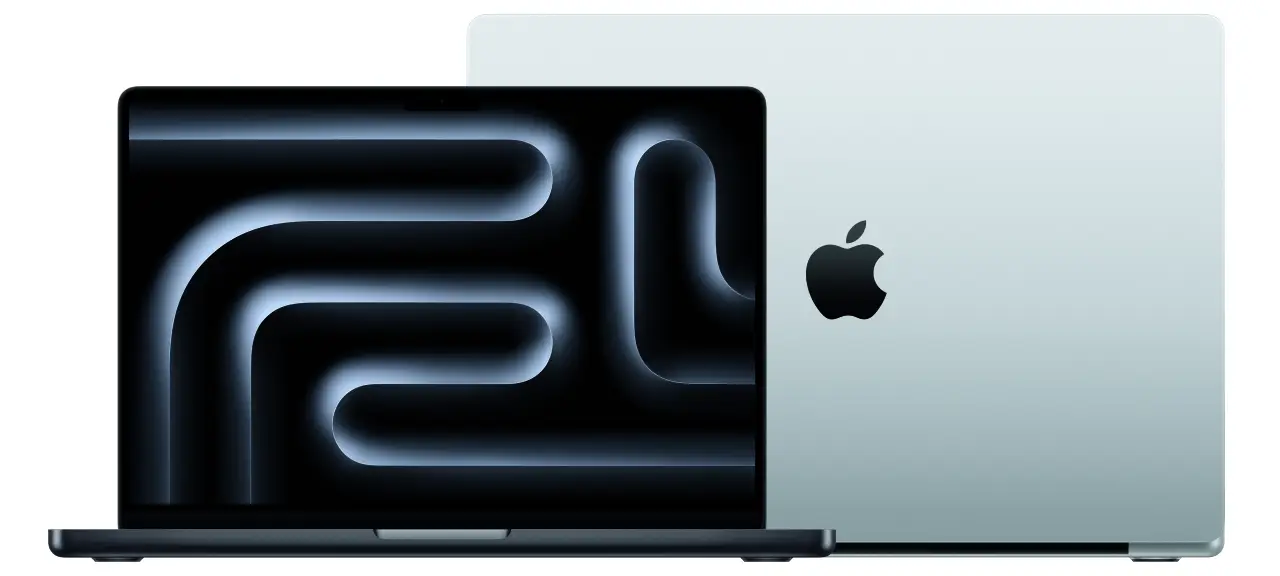
Mac may be worth exploring for executives and mobile professionals, creative and marketing teams, developers and technical users, hybrid employees, organizations offering employee device choice, or departments that rely on Apple-specific applications and workflows.
Fusion can help you consider the users, applications, support requirements, and existing technology environment involved when evaluating where Mac may fit.
Exploring Use Cases for iPad and iPhone
Not every workflow happens behind a desk.
For organizations with mobile employees, shared technology, or customer-facing environments, iPad may offer additional ways to support how employees and customers interact with technology.
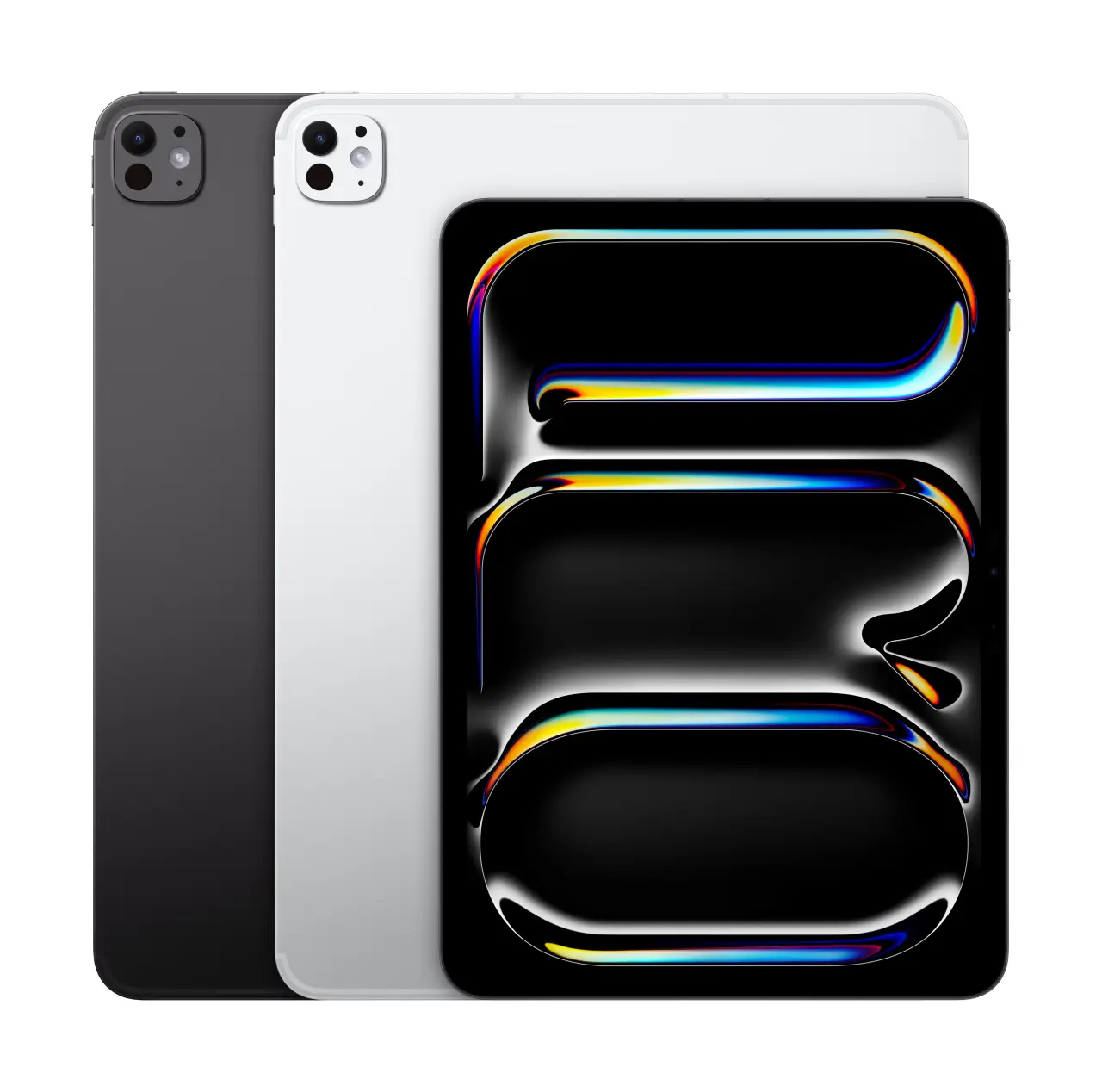
Potential applications can include digital forms and inspections, shared employee devices, customer check-in, kiosks, training, room scheduling, AV control, retail and hospitality workflows, and other mobile or customer-facing experiences.
iPhone may also be part of a broader mobile technology strategy for organizations with employees working across offices, customer locations, job sites, or on the road.
The right application depends on the organization, its users, and the work being performed. Fusion can help you explore those needs within the context of your broader technology environment.
Apple and Windows Can Be Part of the Same Technology Strategy
Introducing Apple products does not necessarily require an organization to replace the technology it already uses.
For organizations with different needs across departments and roles, Apple and Windows devices can be evaluated as part of the same broader technology strategy.
That means considering the users and workflows involved along with business applications, networks, infrastructure, procurement, support requirements, and future technology plans.
Instead of forcing one platform across every role, organizations can evaluate which technology makes sense for different users while continuing to consider the environment as a whole.
Looking Beyond the Device
The device itself is only one consideration in a larger technology decision.
Organizations also need to think about procurement, accessories, existing infrastructure, ongoing support, and future refresh planning. A new device may also need to work alongside existing networks, workplace technology, and other IT or AV systems.
Fusion's broader technology experience allows our team to consider these factors alongside the initial product decision.
Depending on your organization's needs, Fusion can assist with product consultation and procurement, device and accessory coordination, network and infrastructure considerations, post-sales support, refresh planning, and broader IT and AV integration.
The goal is to help organizations consider how new technology fits into what they already have, rather than approaching each device decision in isolation.
More Technology Choice, Supported by Fusion
As technology needs continue to vary across employees, departments, and industries, organizations benefit from being able to evaluate their options based on the work that needs to be done.
With Apple technology now included within Fusion's device procurement and post-sales support capabilities, organizations have more choices when considering the technology that supports their people and workflows.
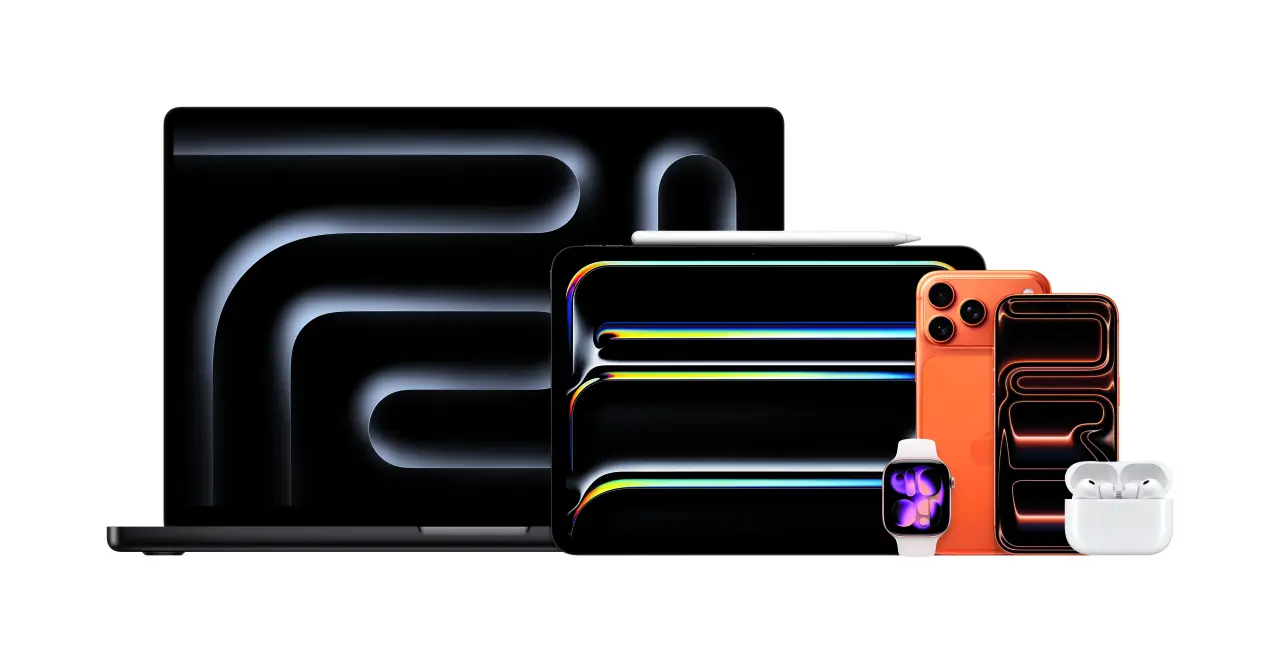
As an Apple Business Partner, Fusion Digital specializes in device procurement and post-sales support for business customers on the Apple platform.
For Fusion customers, the approach remains the same: understand the organization's needs first, consider the existing technology environment, and explore the options that may be the right fit.
Considering Apple Technology for Your Organization?
If your organization is evaluating Mac, iPad, or iPhone, Fusion can help you explore where those products may fit based on your users, workflows, applications, and existing environment.
Whether you're considering Apple technology for a specific department or looking at device options as part of a broader technology strategy, start with a conversation about what your organization needs.
